Few things feel as defeating as watching the clock crawl toward morning while your mind keeps racing. Pills, teas, and gummies crowd the nighttime aisle, but an increasingly popular format skips swallowing altogether: topical sleep patches. Driftly is one of the names getting attention for offering a simple peel-and-stick option designed to support a calmer night. Below, we unpack how this category works, what’s inside, and whether it fits a realistic bedtime routine.
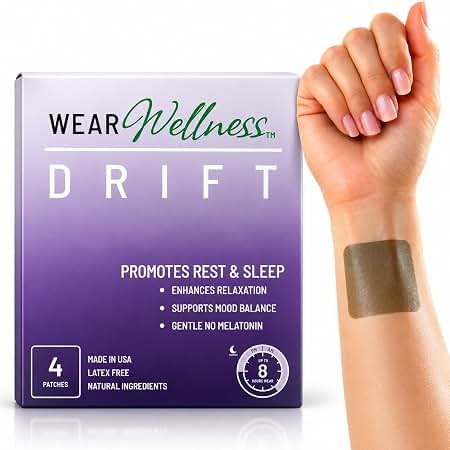
What are Driftly Sleep Patches?
Driftly sleep patches are thin, drug-free adhesive strips made to encourage relaxation and smoother sleep onset. Instead of going through the gut like capsules or gummies, they’re designed to release a blend of botanicals and wellness compounds through the skin while you rest.
They’re marketed for people who have trouble switching off after stressful days, find it hard to fall asleep consistently, or want an alternative to oral aids that sometimes feel heavy the next morning.
How Do They Work?
These patches rely on transdermal delivery. By placing actives on the skin, they avoid the digestive system and first-pass liver metabolism. The ingredients are gradually absorbed into tiny blood vessels near the surface of the skin, allowing a slow and steady trickle throughout the night.
Many oral sleep products can create a quick spike in concentration followed by a fade. A time-released patch aims for a smoother curve—supporting the body’s wind-down process without the jolt-and-crash pattern some people dislike.
Ingredients and Features Breakdown
Formulas vary by brand, but sleep patches in this space commonly lean on familiar botanicals and nutrients associated with calming the nervous system.
- Melatonin
Frequently included in a small amount to help signal that it’s time to rest. Delivered through the skin, it’s intended to provide a gentle, prolonged nudge rather than a sharp surge. - Valerian Root Extract
A longstanding herbal ally for a busy mind. It’s often used to shorten the runway to falling asleep. - Passionflower and Chamomile
These mild botanicals are known for easing nervous tension. Together, they’re used to promote a calmer, more settled state without heavy sedation. - Magnesium
Commonly called nature’s relaxer, it’s associated with releasing muscle tightness that can make settling in more comfortable.
Benefits and Practical Use Cases
Using a patch can be appealing for everyday logistics as much as the ingredients themselves.
- No swallowing needed: Ideal for anyone who avoids pills or doesn’t want a last-minute drink of water.
- Steady release: Gentle, ongoing absorption may help maintain a calm baseline through the night—useful for light sleepers.
- Great for travel: Flat, portable, and no refrigeration required, so tossing a few into a carry-on is easy.
Who Should Use It?
These patches are aimed at adults with occasional, mild sleep difficulties tied to stress, shifting schedules, or evening screen time.
They tend to suit:
- Busy professionals who struggle to power down mentally.
- Travelers working through minor jet lag or new sleep environments.
- People with sensitive stomachs who don’t love oral supplements.
They’re not intended to address chronic insomnia, sleep apnea, or other medical sleep disorders. Ongoing or severe sleep problems should be evaluated by a healthcare provider.
Safety, Side Effects, and Precautions
Because the approach is drug-free and primarily botanical, most healthy adults tolerate these patches well. A few common-sense notes:
- Skin sensitivity: Direct skin contact for hours can cause mild redness or irritation, especially if you have eczema, psoriasis, or highly reactive skin. Rotate placement sites nightly.
- Allergies: Review the label if you’re sensitive to specific plants. Some botanicals can cross-react with members of the daisy family (including ragweed).
- Pregnancy and medications: If you’re pregnant, nursing, or taking prescription sedatives or blood-pressure drugs, check with a clinician before using sleep aids regularly.
Pros and Cons
A quick look at strengths and trade-offs helps set expectations.
Pros
- Drug-free and non-habit-forming.
- No pills or liquids before bed.
- Time-released support rather than a fast spike.
- Discreet, comfortable, and straightforward to apply.
Cons
- Results can vary widely based on skin permeability and individual biology.
- Adhesive may bother sensitive skin or leave minor residue.
- Not a solution for severe or chronic sleep disorders.
Customer Feedback (Balanced Summary)
Overall sentiment skews cautiously positive, especially around convenience and a mild sense of relaxation. Many people like using a patch as part of a wind-down ritual and appreciate waking without the heavy grogginess reported with stronger over-the-counter options.
Critical comments typically come from those hoping for a cure-all for entrenched insomnia. Some notice little to no change. Others mention adhesion issues if the patch is placed over lotions or oily skin.
Comparison with Alternatives
- Oral melatonin (gummies or pills): Often faster to hit and faster to fade. Patches aim for a flatter, longer curve.
- Prescription sleep meds: Powerful for significant insomnia but can involve dependence risks and heavy morning fog. Patches sit at the gentler, lifestyle-oriented end.
- Herbal teas: Comforting and relaxing, but late fluids can prompt bathroom trips. Patches avoid extra nighttime hydration.
Pricing, Warranty, and Refund Policy
Costs usually scale with the pack size, and monthly bundles tend to lower the per-patch price. Many reputable wellness brands also offer subscription savings and a straightforward money-back guarantee, giving you a few weeks to gauge fit without major risk.
To check current deals and availability, see the official offer page:
Frequently Asked Questions (FAQ)
Where is the best place to apply a sleep patch?
Choose a clean, dry spot with minimal hair and low movement—common choices include the inner wrist, upper arm, shoulder, or upper chest—for more reliable absorption and adhesion.
Will the patch fall off during the night?
Quality patches use hypoallergenic, medical-grade adhesive meant to last until morning. For best results, apply to skin that’s free of heavy lotions and oils so the adhesive can bond properly.
Can I wear more than one patch at a time?
Start with the brand’s suggested use—usually a single patch per night—and see how you respond before considering any changes.
Final Verdict
Driftly sleep patches offer a clean, low-effort way to support evening relaxation without swallowing supplements. Their gradual, transdermal delivery is designed to smooth the transition into sleep and avoid a harsh “knockout” effect.
They won’t resolve serious sleep disorders, but they can be a smart, convenient addition to a nightly routine for those dealing with occasional restlessness. If you’re curious to try them with minimal commitment, check current promotions below.